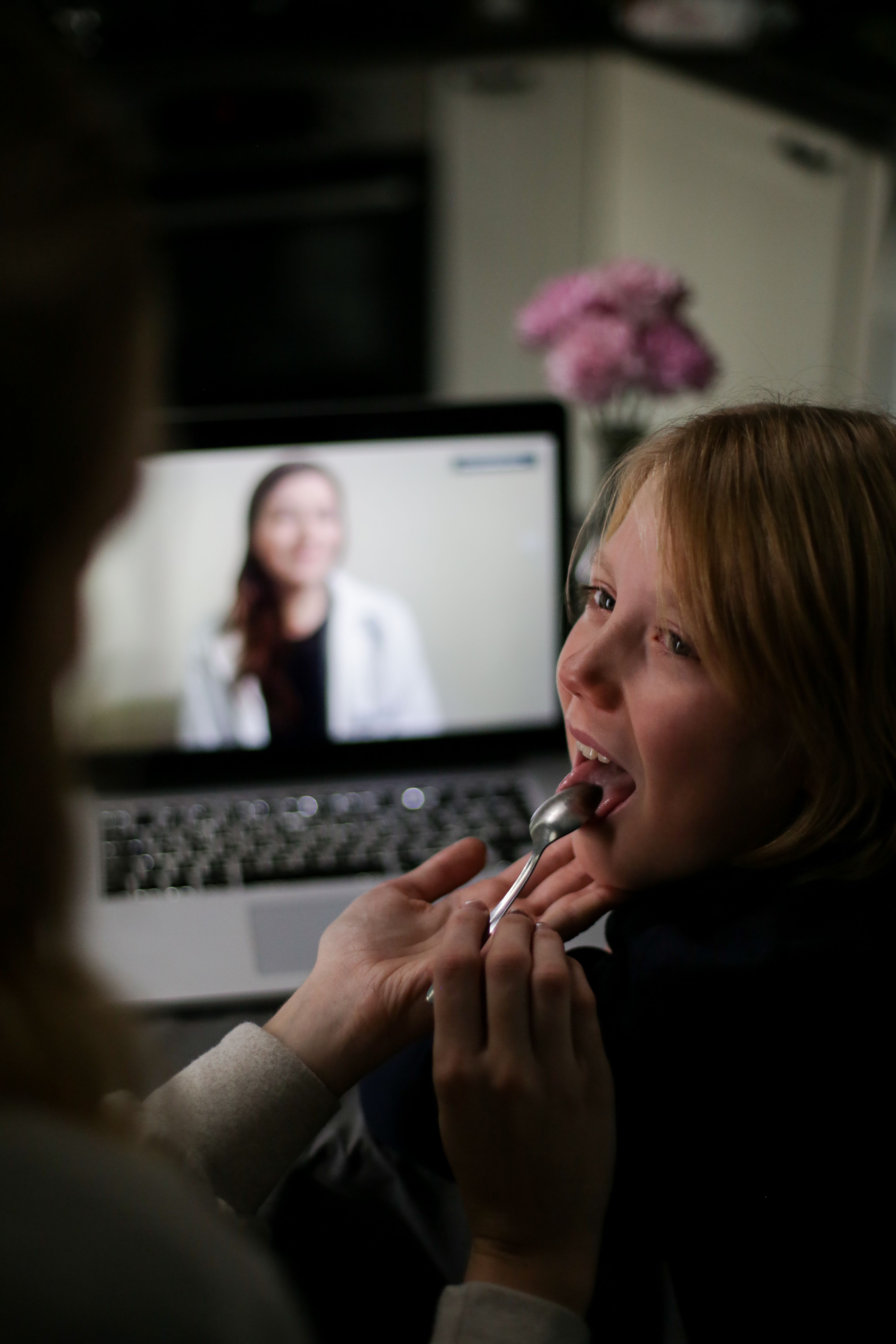
Care often ends at the clinic door, and the patient is left to manage the rest alone. A test result is ready but nobody calls. A medicine runs out on a Sunday. A symptom appears that might be nothing, and the patient has no one to ask, so they wait until it becomes something.
Follow-up is the least glamorous part of healthcare and one of the most consequential. It is also the part most easily improved, because much of the work is simply staying in touch.
The silence after the consultation
After a visit, patients enter a kind of informational silence. They may not know when results will be ready, whether they were normal, or what the next step is. Without a clear signal, the safest-looking option is to do nothing.
That silence is not intentional. Clinics are busy, and follow-up competes with the urgent work of seeing today's patients. But a system that only responds when a patient turns up in person will inevitably lose people between visits.
Most missed follow-ups are not decisions. They are silences that nobody noticed.
What good follow-up looks like
Good follow-up is specific, timely and easy to act on. It does not require the patient to remember a portal password from two years ago. It arrives where the patient already is, says one clear thing, and offers one clear next step.
It also respects attention. A patient who receives five unrelated messages a week will stop reading all of them. Precision matters more than volume.
Reminders that prevent the avoidable
A reminder for a scheduled appointment, a course of treatment or a repeat prescription is one of the cheapest interventions available. It does not need to persuade. It only has to arrive.
Results that reach the person who needs them
Laboratory results are frequently ready long before anyone tells the patient. A notification that says the result is available, and what to do next, removes a period of anxious uncertainty and often an unnecessary journey.
A route for the question nobody planned for
The most valuable follow-up is often unplanned. The patient develops a symptom, has a doubt about the dose, or wonders whether the side effect is normal. If there is no easy way to ask, the question either disappears or becomes an emergency.
- Clear expectations. Tell patients when to expect contact, so silence is not mistaken for bad news.
- Actionable messages. Every message should make the next step obvious, not just convey information.
- A human fallback. Automated contact should always have a route to a person when the situation needs one.
- One channel of record. Whatever is said should be visible to the clinical team, not lost in a private conversation.
Most systems are built for the appointment. Very few are built for the fortnight afterwards, which is precisely when patients are most alone with their condition.
Communication is not the same as noise
There is a real risk that digital follow-up becomes a flood. Endless reminders, surveys and promotional messages train patients to ignore everything, including the one message that mattered.
Consent matters here too. A patient should know what they will be contacted about, through which channel, and how to change their mind. The best follow-up feels like a continuation of the consultation, not an interruption to the day.
What this means
Follow-up is not an administrative afterthought. It is the stage at which treatment is either carried through or abandoned, and it deserves the same design attention as the consultation itself. Reminders, result notifications, refill prompts and a simple route for questions are modest tools with outsized effects.
Patients do not need to be chased. They need to be kept informed, and given an easy way back into care when something changes. That is a low bar, and meeting it would prevent a great deal of avoidable harm.