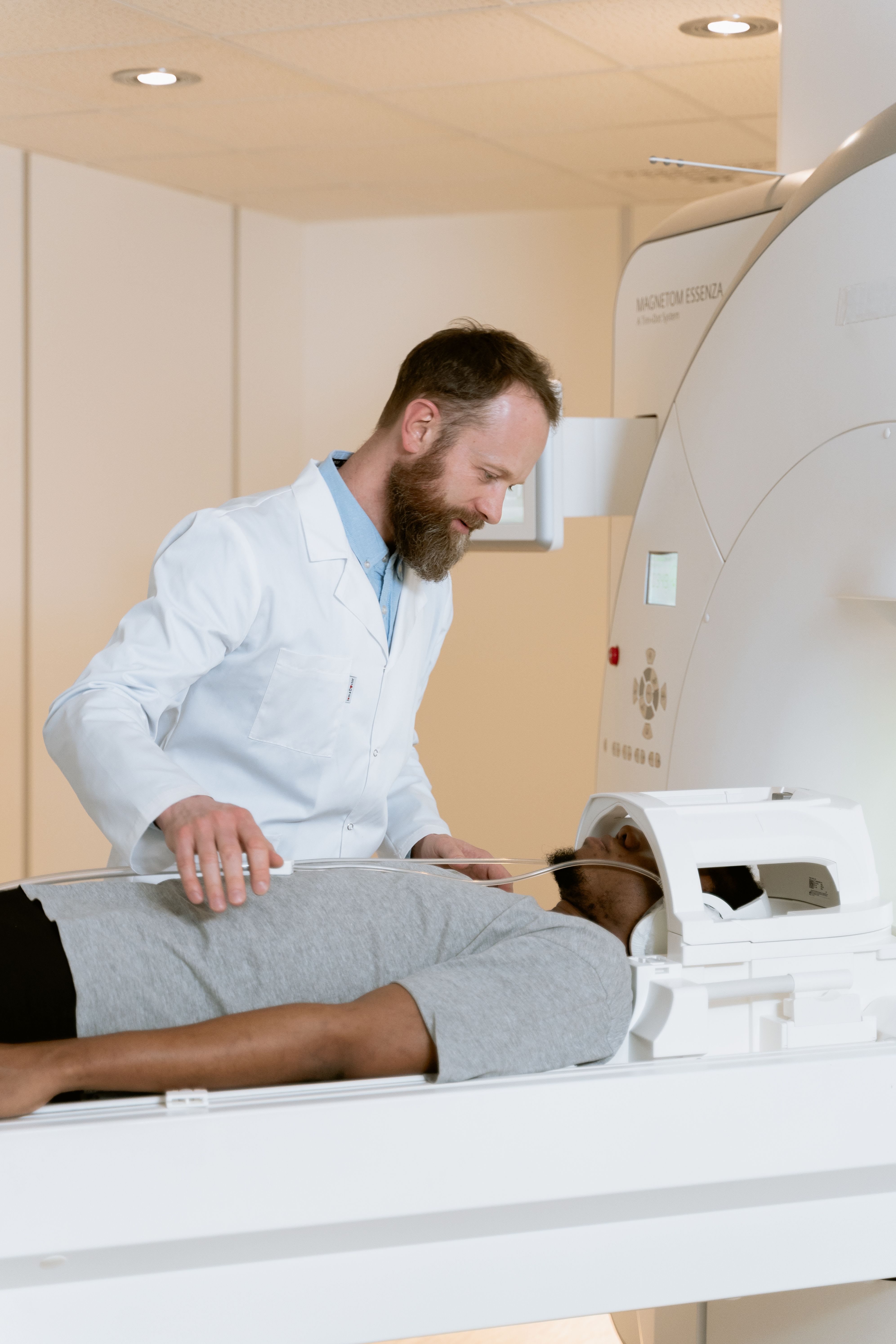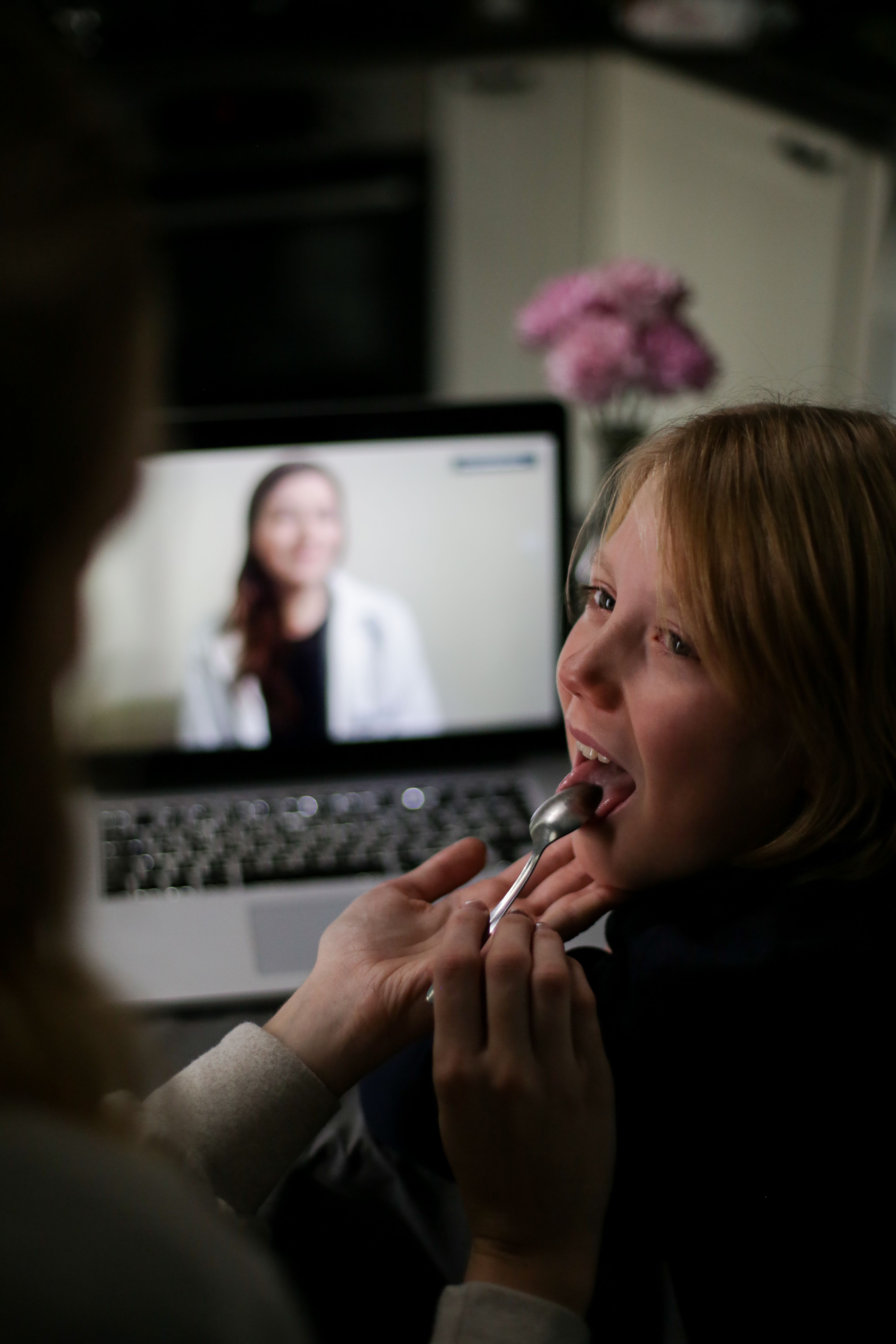
A parent wakes at midnight to a child with a mild rash and a slight temperature. The nearest hospital is an hour away, the queue will be long, and the worry is real. Most of the time that journey is not necessary. But the parent has no reliable way to tell, so they go anyway.
This is not a failure of judgement by patients. It is a gap in the system. When the only confident answer lives behind a hospital door, people will keep walking through it, even for questions that never needed a building.
The cost of treating every question as an emergency
Hospitals are expensive places to answer simple questions. A triage nurse, a consultation, a waiting room seat and a long trip are all consumed by a concern that a short conversation could have resolved. Meanwhile the patient who genuinely needs urgent attention waits behind a queue of people who mostly do not.
The effect compounds. Staff grow weary, waits lengthen, and patients learn that the hospital is slow, so they arrive even earlier, which lengthens the wait further. Everyone is behaving rationally inside a structure that wastes their effort.
A health system that cannot answer a small question cheaply will always be crowded by small questions.
Conversation is a form of care
Much of what patients need first is not a diagnosis but orientation. Is this urgent? Should I come in today, tomorrow or next week? Is there something simple I can do while I wait? These are questions a trained person can often resolve in a brief exchange, and increasingly a well-designed conversational service can begin that work before a human is involved.
The key is honesty about limits. A conversational tool should never pretend to be a doctor. It should ask clear questions, recognise what it does not know, and hand over quickly when the situation looks serious. MyAIha is built around that idea: a first conversation that helps a patient understand what kind of care they need, and a straightforward route to a clinician.
Navigation is the real service
Care navigation is a dull phrase for something patients experience as relief. It means being told, in plain language, where to go and why. It means the difference between a worried guess and a considered direction.
- Clear thresholds. Patients should know which symptoms mean come now, which mean come soon, and which mean watch and wait.
- Fast escalation. When a concern crosses a line, the handover to a human should be immediate and obvious, not buried behind menus.
- No false reassurance. Uncertainty should be named rather than smoothed over with a comforting answer that turns out to be wrong.
- Recorded context. Whatever the patient described should reach the clinician, so the conversation is not repeated.
These are not technical niceties. They are what separates a helpful service from a plausible-sounding one.
If a service cannot say what it does not know, it is not ready to advise anyone. Caution is not a weakness in healthcare navigation. It is the feature that makes the rest trustworthy.
What this means
Not every healthcare question deserves a hospital visit, and pretending otherwise is expensive for patients and institutions alike. The work is to build a first layer that is quick, cautious and clear about its limits, then to hand over well when the answer requires a clinician.
That layer will never replace the consulting room. It does something narrower and more useful: it makes sure the consulting room is used by the people who actually need it, and that everyone else gets a straight answer without a wasted journey.