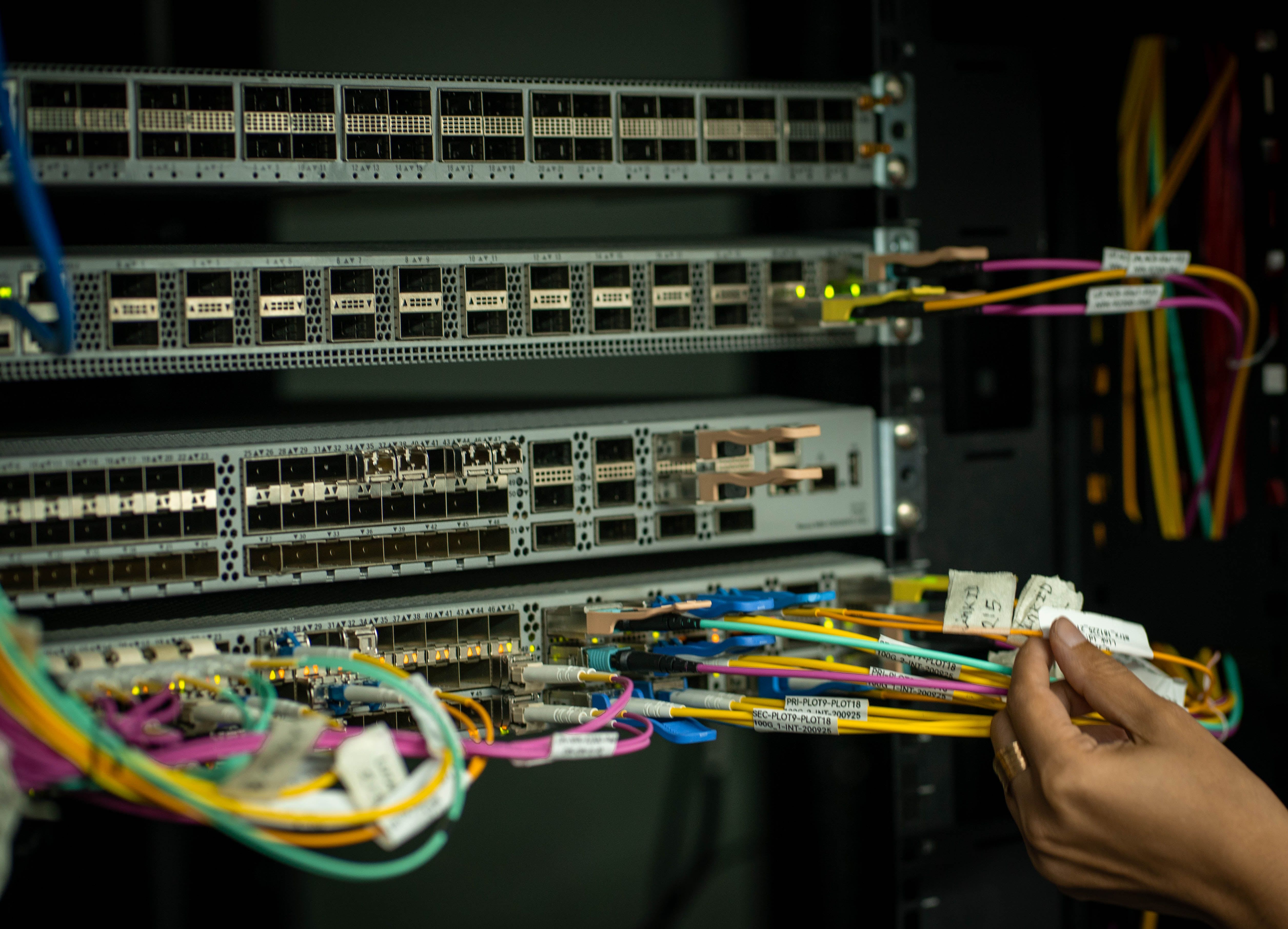
Every facility now collects something. A register at reception, a spreadsheet on a ward computer, a tablet a donor funded, a notebook in the pharmacy. Capture is rarely the failure. The failure is that the data stays where it was captured, in a shape only its capturer understands, and therefore changes nothing about the next decision.
The easy half of the problem
Collecting data has a clear end: a form is filled, a record exists, a tally increases. Making it useful has no such end, because usefulness depends on everyone downstream. A facility that writes a diagnosis but never codes it has produced text, not data. A programme that counts visits but cannot tell which patients came back has produced activity, not insight.
The distinction is practical: it decides whether a monthly report is retyped from a book or generated from records that were structured at entry.
From field to decision
Between a completed field and a defensible decision sit several conversions. The value must be valid when entered, comparable across facilities, tied to a person or an episode, and retrievable at the moment of care rather than the moment of reporting. Each conversion is a design decision, and skipping one shifts the work onto whoever reads the output later.
Consider stock. A pharmacy can record every dispensed item and still be unable to answer whether a particular regimen will be available tomorrow, because the records never connect dispensing to current stock, or stock to the purchase order that should have been raised. The data was collected in full. The question remained unanswered, and the patient was sent to look for the medicine elsewhere.
Data becomes valuable at the point where it changes what someone does next; everything before that is storage with better branding.
Availability is a design choice
Availability is often treated as a reporting feature. In practice it is architectural. If the record lives only on the device that captured it, availability is limited to that device. If it lives in a system with no interface, availability is limited to that system. If it lives in a shared service with defined access, availability becomes a question of permissions rather than proximity.
The same logic applies to trust. Staff who never see their own data returned to them, as a worklist, a reminder or a stock alert, reasonably conclude that the exercise is for someone else. Collection without return is a tax on the people closest to the patient.
Design every capture with the second reader in mind: the colleague on the next shift, the receiving facility, the auditor. If that reader cannot be served without a phone call, the data is not yet available.
- Structure at entry. Capture coded values where a decision will need them, rather than free text that someone must interpret later.
- Link to the episode. A result without its patient and encounter is an orphan record with no clinical meaning.
- Expose through a service. Care, billing and reporting should read the same source rather than parallel copies of it.
- Close the loop. Return data to the person who entered it, in a form that helps them do the next task.
A sequence that works
Name the decision
Start with a decision someone actually makes, such as whether to admit, refer, restock or follow up. Data collection without a named decision attracts everything and serves nothing.
Agree the minimum set
Define the smallest set of fields that decision requires, and agree their meaning with the people who will read them. Resist fields that exist because a form once had space.
Build the shared store
Put the record in one place with a stable identifier and an interface, so that the second reader is served by the same data as the first.
Prove it in use
Watch the decision being made with the data in hand. If people still keep a parallel book, the design is not finished, whatever the completion rate suggests.
What this means
A digitised paper process is still a paper process. The value comes from the connections that a digital record makes possible: between a result and the clinician waiting for it, between dispensing and stock, between one visit and the next. Those connections are the product.
So the honest question for any collection effort is not how much was captured but what now happens differently because it was. If nothing does, the next step is not more fields. It is fewer, better linked ones.